A Year-Long Mystery Comes to an End
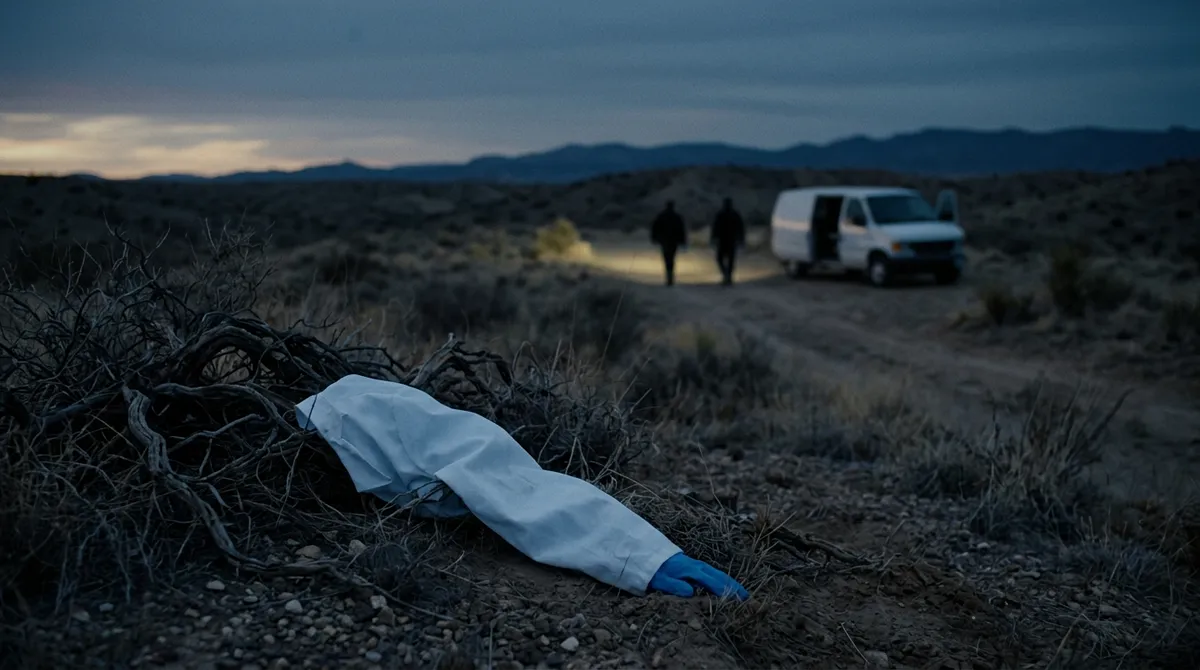
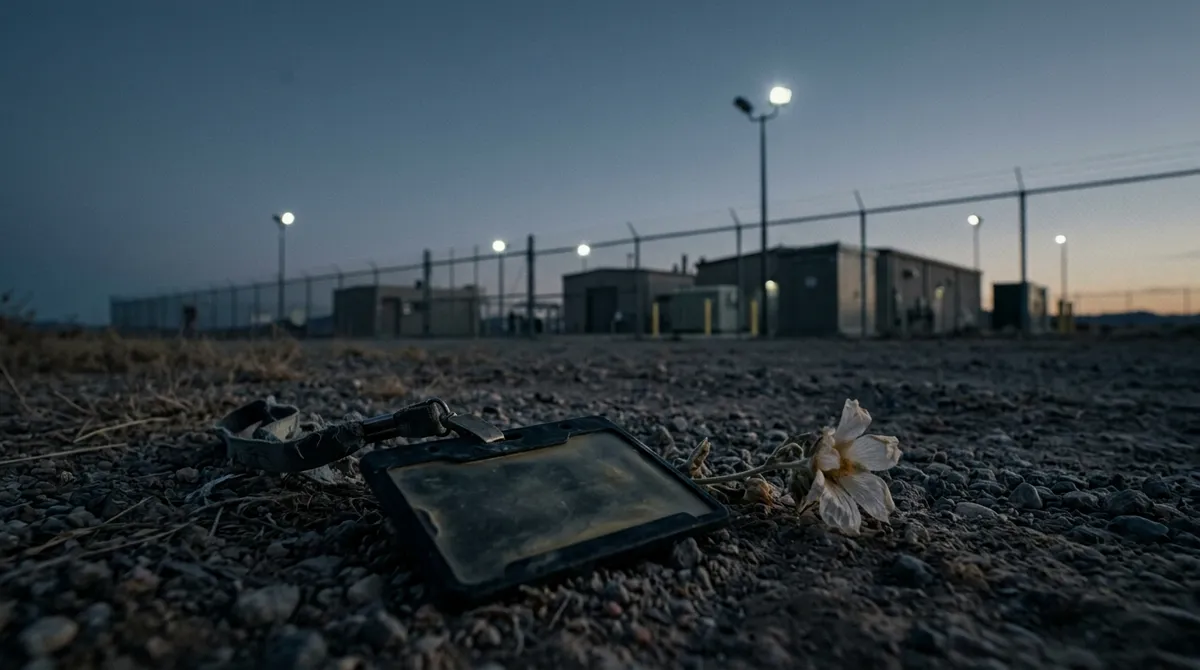
After a year of uncertainty and unanswered questions, the body of a Los Alamos National Laboratory worker has been found, according to reports. The discovery brings closure to a missing-person case that captivated public attention and cast a spotlight on the secretive research facility's safety protocols.
The case had remained unresolved for twelve months, leaving family members in agonizing limbo while investigators worked to determine what happened to the laboratory employee. The extended timeline raises questions about the challenges of conducting searches and investigations within the confines of a high-security government facility.
Security and Secrecy at the Nation's Premier Lab
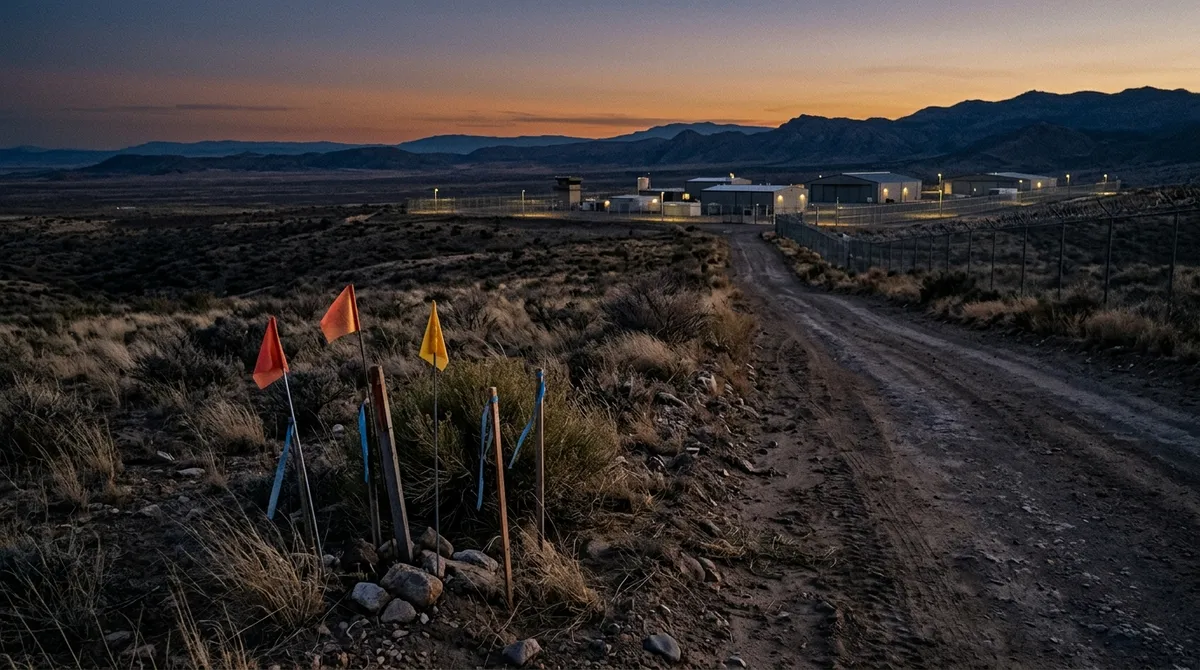
Los Alamos National Laboratory, known for its role in nuclear research and weapons development, operates under strict security protocols that can complicate traditional investigative procedures. The facility's classified nature means that information flow is tightly controlled, potentially affecting how missing-person cases are handled compared to disappearances in civilian environments.
According to reports, the case highlights broader concerns about workplace safety and security protocols at major U.S. research institutions. The laboratory's unique position as a facility handling sensitive national security materials adds layers of complexity to any investigation conducted within its boundaries.
The Human Cost of Institutional Secrecy
The year-long search represents an emotional ordeal for the victim's loved ones, who were forced to wait for answers while investigators navigated the challenges of working within a highly classified environment. The case underscores the human toll that can result when disappearances occur at facilities where information sharing is restricted.
According to reports, the extended timeline reveals potential disparities in how missing-person cases are handled when they involve employees of secretive government institutions versus similar cases in the general population. The controlled information environment at facilities like Los Alamos can impact both media coverage and the speed of investigations.
Questions About Institutional Accountability
The resolution of this case comes amid ongoing scrutiny of security and safety protocols at major research institutions across the United States. The discovery raises questions about whether adequate measures were in place to prevent such incidents and what steps might be necessary to improve worker safety at sensitive facilities.
Reports indicate that the case highlights the intersection of workplace safety concerns and institutional accountability, particularly at facilities where the balance between security requirements and employee welfare must be carefully maintained. The year-long duration of the investigation may prompt reviews of existing protocols.
A Pattern of Delayed Resolutions
The extended timeline in this case reflects broader challenges that can arise when investigating incidents at high-security facilities. The need to maintain operational security while conducting thorough investigations can create tensions that potentially impact the speed and effectiveness of search efforts.
According to reports, the case serves as an example of how disappearances at secretive institutions may receive different treatment in terms of media coverage and investigative resources compared to similar cases elsewhere. The controlled information environment inherent to classified facilities can affect public awareness and family communication during critical periods.
Moving Forward
While the discovery brings some measure of closure to a difficult chapter, questions remain about what changes, if any, Los Alamos National Laboratory may implement in response to this incident. The case has highlighted potential gaps in protocols designed to ensure worker safety and rapid response to emergency situations.
The resolution also underscores the emotional journey experienced by families of missing persons, particularly those connected to classified government work where information sharing is necessarily limited. The year-long wait for answers represents a significant test of both institutional procedures and human resilience.
As investigations conclude and reports are finalized, this case may serve as a catalyst for reviewing safety protocols and emergency response procedures at sensitive government facilities nationwide. The intersection of national security requirements and employee welfare continues to present complex challenges for institutions like Los Alamos.