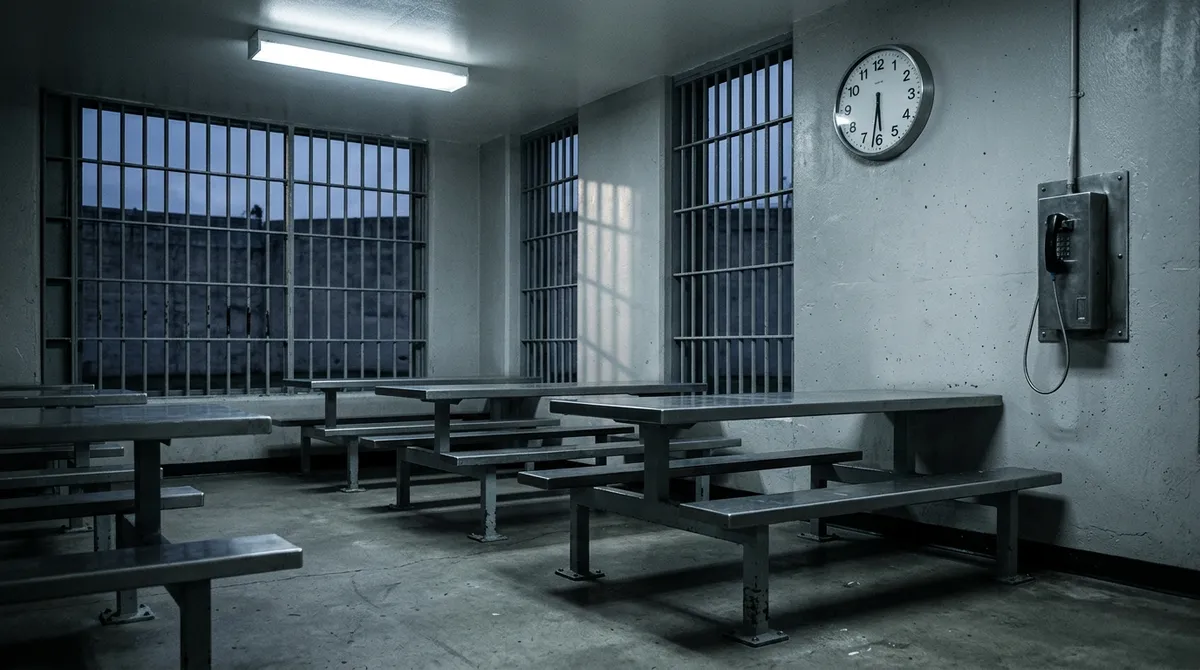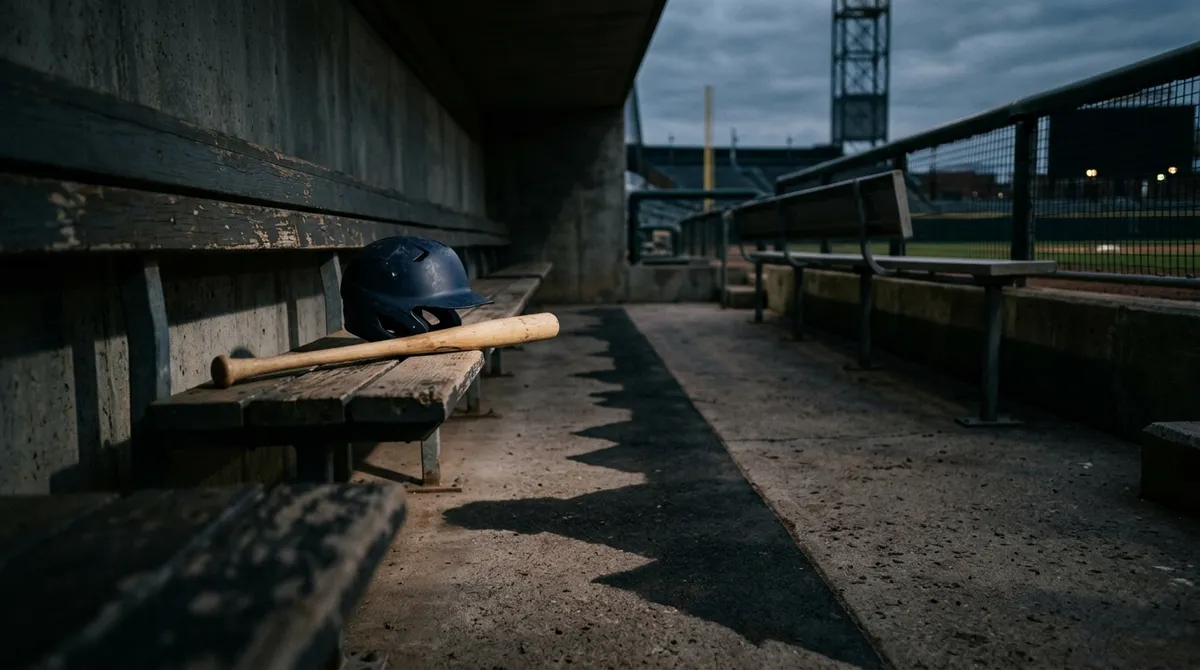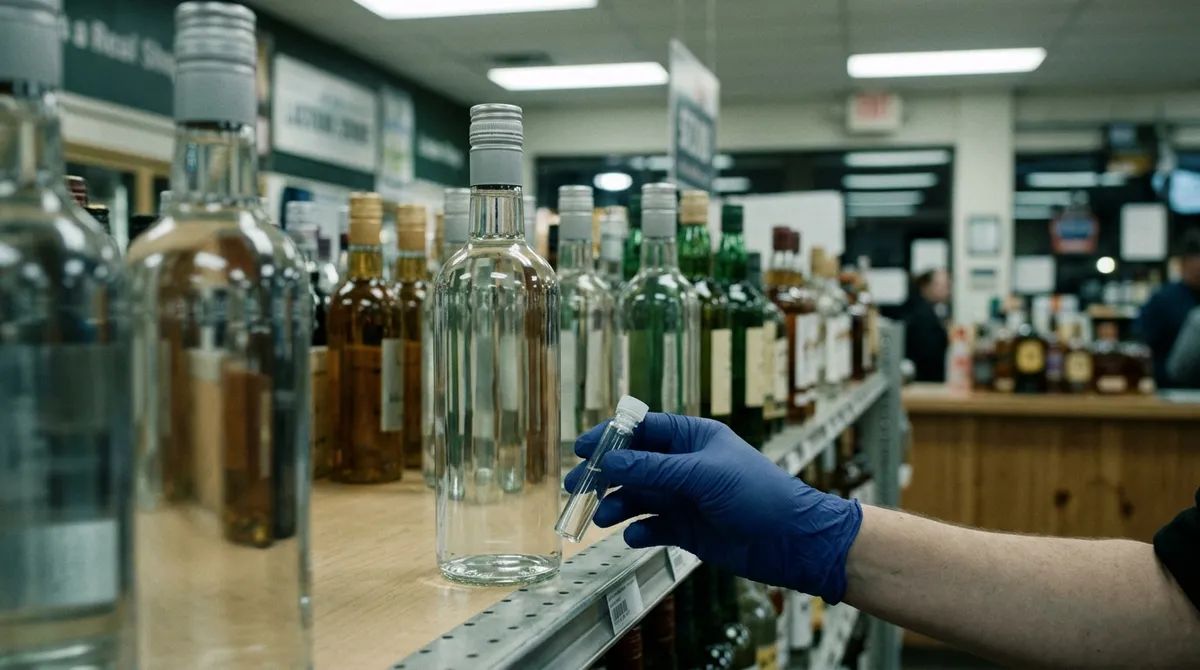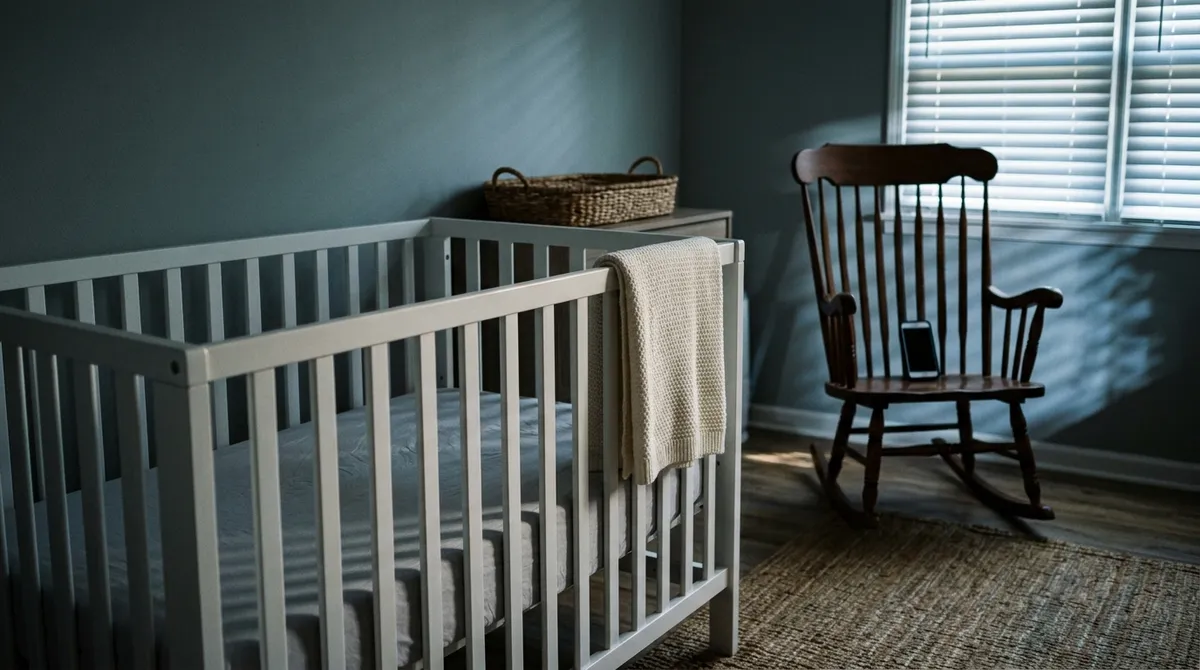
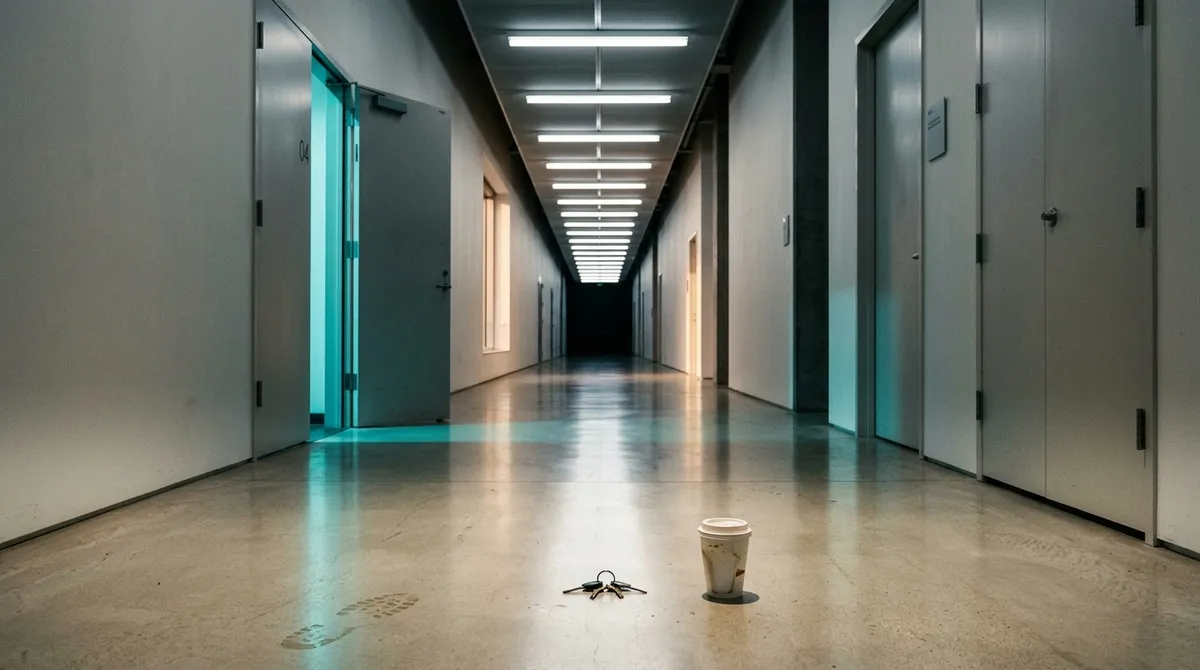
Some places feel harmless because they are familiar, quiet, or even beautiful. Others feel dangerous because something about them seems unfinished, empty, or out of place. This video, titled This liminal space could KILL YOU, brings together two true-event stories about locations and routines that appear ordinary at first, but gradually reveal why certain spaces are best avoided.
The episode features two stories: "Peace and Serenity," about a highly anticipated art installation that draws a crowd before something starts to feel wrong, and "Early Riser," about a man known for never missing a day of work whose small change in routine leads to serious consequences. Both stories are presented for educational, documentary, and entertainment purposes, and they fit squarely into the unsettling world of places you cannot—or should not—go.
Why Liminal Spaces Make These Stories So Disturbing
A liminal space is often understood as a place of transition: somewhere between one state and another, between arrival and departure, between safety and uncertainty. In storytelling, that kind of setting can create immediate tension because it feels incomplete. It might be a place people pass through quickly, a location designed for a purpose that suddenly feels unclear, or an environment where the usual rules of comfort no longer apply.
The title of this episode makes that tension direct: this is not simply a strange place, but a liminal space that could kill you. That phrase raises the central question behind the video: how can a space that seems peaceful, routine, or public become dangerous? In both stories, danger is tied to a setting that initially appears manageable.
Story #2: "Peace and Serenity"
The first segment, "Peace and Serenity," begins with a highly anticipated art installation that draws a crowd. Even that brief description creates an unusual contrast. Art installations are often associated with reflection, public interest, design, and atmosphere. The words "peace" and "serenity" suggest calm, quiet, and beauty. A crowd gathering for such an event would likely arrive expecting an experience, not a warning.
But the story takes a crucial turn: something isn't right. That simple detail changes the entire meaning of the setting. A public installation can become unsettling when the space does not behave the way visitors expect, when the environment feels off, or when the experience becomes more intense than the promise of peace and serenity suggests. The setup invites viewers to watch closely for the moment when anticipation turns into concern.
This is one reason the story fits the larger theme of places people cannot go. A location does not need to look frightening from the outside to become dangerous. Sometimes the most disturbing places are the ones people enter willingly, surrounded by others, convinced that the setting has been created for comfort or wonder. In "Peace and Serenity," the draw of the installation and the unease that follows form the heart of the mystery.
Story #1: "Early Riser"
The second segment, "Early Riser," shifts from a public crowd to a personal routine. It focuses on a man known for never missing a day of work. That detail matters because it establishes reliability. This is not someone defined by unpredictability. He is someone with a pattern, a schedule, and a reputation for showing up.
The tension begins when he prepares for an early morning and one small change to his routine has serious consequences. This premise is chilling because it does not depend on a dramatic beginning. Instead, it suggests that danger can enter through something minor: a deviation, an adjustment, a moment that might not seem important at the time. For someone whose life is built around consistency, even a small change can become the turning point of the story.
Routine is often how people create a sense of safety. The same steps, the same timing, and the same destination can make life feel predictable. "Early Riser" uses that expectation against the viewer. A man who never misses work should be the last person associated with uncertainty, yet the morning does not unfold as planned. The result is a story about how fragile normal life can become when one familiar element changes.
A Documentary Approach to Fear
The stories are based on actual events and are presented for educational, documentary, and entertainment purposes. Pseudonyms may be used to protect people involved, and some details may be fictionalized for dramatic purposes. That framing is important because it tells viewers how to approach the episode: as grounded storytelling shaped for suspense, not as a simple list of facts.
This format is part of what makes the stories effective. Rather than relying only on shock, the episode builds tension from ordinary premises: an art installation people want to see, and a worker preparing for another early morning. The horror comes from the transformation of those ordinary circumstances into situations with real consequences. In both cases, the audience is asked to reconsider what safety really looks like.
Why These Stories Stay With Viewers
The two segments are linked by more than fear. They both show how dangerous moments can begin in places or routines that seem controlled. A crowd can gather for something peaceful and still encounter something wrong. A dependable worker can follow a familiar pattern and still face the consequences of one change. These are not abstract fears; they are built from everyday expectations.
That is why the phrase "places you can't go" carries so much weight. It does not only refer to forbidden locations or hidden spaces. It can also describe places people enter without recognizing the risk, or situations that become unsafe only after it is too late to step back. This episode uses mystery, true-event storytelling, and the unease of liminal spaces to remind viewers that danger is not always obvious at the entrance.
For fans of scary stories, mystery, and documentary-style retellings, This liminal space could KILL YOU offers two unsettling cases built around atmosphere, routine, and consequence.