Hidden Dangers on Store Shelves
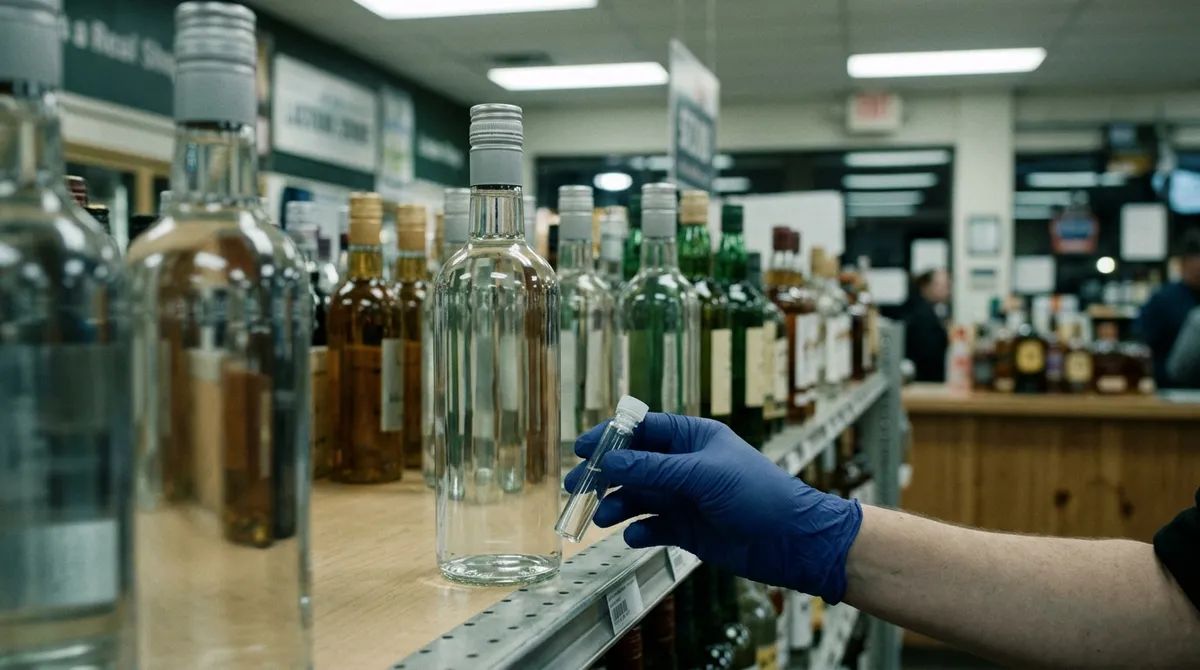
Australian consumers may be unknowingly purchasing contaminated alcohol from legitimate bottle shops, according to new research that uncovered suspected illicit vodka being sold alongside legal products in Melbourne stores.
The investigation revealed testing results showing methanol and plastic contaminants in some bottles, raising serious concerns about consumer safety and regulatory oversight. According to reports, these contaminated spirits can appear virtually identical to ordinary cheap alcohol, making them difficult for unsuspecting customers to identify.
The Scale of Australia's Illicit Alcohol Problem
The findings highlight what researchers describe as a significant blind spot in alcohol regulation. Australia's illicit alcohol market is estimated at $767 million annually, suggesting this issue extends far beyond isolated incidents.
According to reports, wider audits indicate the problem is spreading beyond isolated stores, with contaminated products infiltrating the legitimate retail supply chain. This presents a unique challenge for both consumers and regulators, as illicit alcohol can now be found in licensed establishments where customers naturally assume products are safe and legal.
Why Methanol Contamination Is Deadly
Methanol contamination in alcoholic beverages poses severe health risks that many consumers may not fully understand. Unlike ethanol, which is the type of alcohol intended for human consumption, methanol is highly toxic and can cause blindness, organ failure, and death even in relatively small quantities.
The presence of plastic contaminants adds another layer of concern, as these materials can leach harmful chemicals into the alcohol and pose additional health risks when consumed.
Cost-of-Living Pressures Create Vulnerability
The research suggests that current cost-of-living pressures may be pushing some consumers toward cheaper alcohol options, potentially increasing their exposure to these dangerous products. According to reports, vulnerable drinkers may face higher health risks as they seek out budget-friendly spirits without realizing the potential dangers.
This economic factor creates a particularly troubling dynamic where those least able to afford healthcare may be most at risk of consuming contaminated products that could require expensive medical treatment.
Warning Signs for Consumers
While contaminated alcohol can look like ordinary cheap spirits, there are potential warning signs consumers should watch for when purchasing alcohol. Suspiciously low prices compared to similar products may indicate illicit alcohol, though researchers note that price alone is not a reliable indicator.
The challenge for consumers lies in the fact that these products are being sold in licensed bottle shops where customers reasonably expect all products to be legitimate and safe for consumption.
Regulatory and Industry Response Needed
The findings raise important questions about what bottle shops and regulators should be checking to prevent contaminated alcohol from reaching consumers. According to reports, this represents both a consumer safety issue and a regulatory blind spot that requires immediate attention.
The research suggests that current oversight mechanisms may be insufficient to detect illicit alcohol that has entered the legitimate supply chain. This gap in regulation potentially puts thousands of consumers at risk who trust that products sold in licensed establishments have been properly vetted for safety.
Looking Forward
As researchers continue to investigate the extent of this problem, the findings serve as a wake-up call for both consumers and the alcohol industry. The presence of contaminated spirits in legitimate retail spaces represents a new challenge that requires coordinated response from regulators, retailers, and public health authorities.
The $767 million illicit alcohol market clearly demonstrates that this is not a minor issue affecting only a few bad actors, but rather a systemic problem that demands comprehensive solutions to protect public health and consumer safety.