The Night Shift That Ended in Mystery
On April 15, 1992, what should have been an ordinary evening shift at Britney's Card and Gift Shop in Agawam, Massachusetts, became the backdrop for a disappearance that continues to baffle investigators decades later. Twenty-four-year-old Lisa Ziggert vanished without a trace during her work hours, leaving behind a crime scene that raised more questions than answers.
According to reports, Lisa's final confirmed moment was a cash transaction recorded at 8:20 p.m. With the shop scheduled to close at 9:00 p.m., this narrow 40-minute window became the crucial timeframe investigators focused on to understand what happened to the young woman.
A Crime Scene with Few Clues
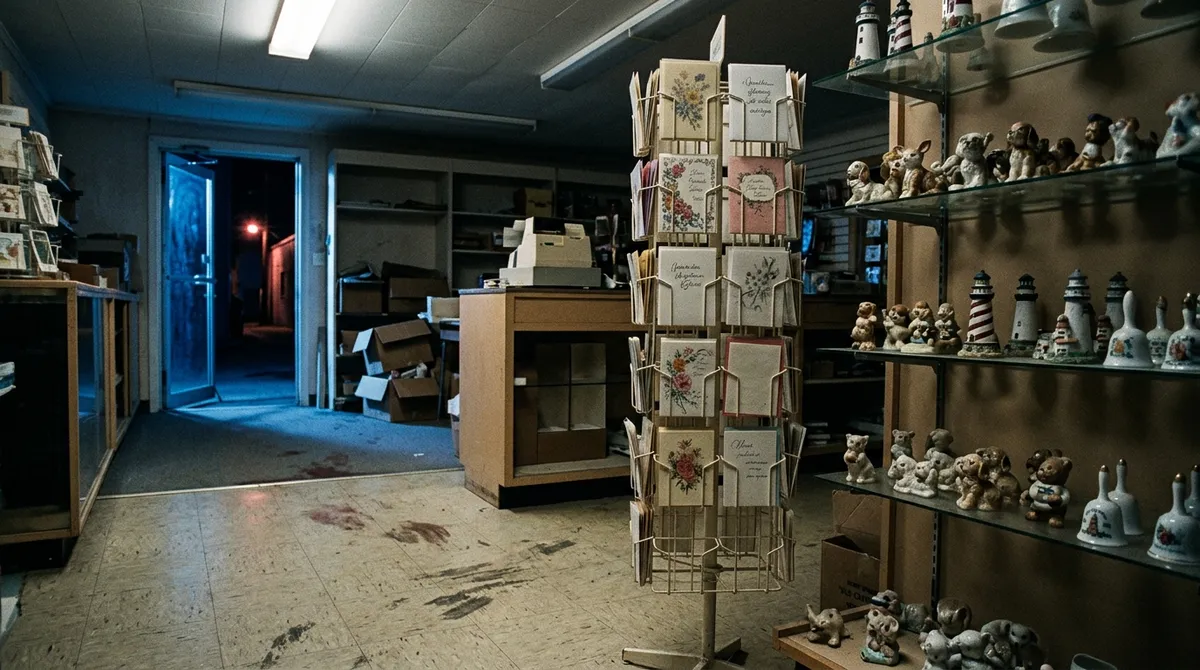
Detective Wayne Macy arrived at the scene the following morning to discover a disturbing tableau. Blood evidence was found in the back room of the gift shop, accompanied by an open back door and visible drag marks. These physical signs painted a grim picture of violent, forced removal rather than any voluntary disappearance.
The crime scene told a story of struggle and abduction, but offered precious few leads for investigators to pursue. According to reports, there were no witnesses to the incident and no security footage available—a common limitation of investigations during the pre-digital surveillance era of the early 1990s.
The Challenges of 1990s Investigation
The Lisa Ziggert case exemplifies the investigative hurdles that detectives faced before the widespread adoption of security cameras and digital tracking systems. Without CCTV footage or electronic evidence, Detective Macy was forced to rely on traditional investigative methods that proved frustratingly limited.
The absence of vehicle descriptions, eyewitness accounts, or any form of recorded surveillance meant that investigators had almost no leads to pursue initially. This stark reality highlights how dramatically criminal investigations have evolved with technological advances over the past three decades.
Personal Context and Warning Signs
Reports indicate that Lisa had expressed anxieties about working alone during evening shifts at the gift shop. According to the summary, she had previously mentioned feeling watched, adding a psychological dimension to her vulnerability that makes the case even more unsettling.
These concerns, documented before her disappearance, suggest that Lisa may have sensed potential danger in her work environment. However, whether these feelings were connected to her eventual abduction remains unknown.
Limited Investigative Tools
With physical evidence scarce and technology limited, Detective Macy's investigation centered primarily on conducting interviews with Lisa's family members, friends, and owners of nearby businesses. These conversations represented virtually the only investigative tools available to law enforcement at the time.
The case demonstrates how detectives in the 1990s had to rely heavily on witness testimony and community knowledge to piece together timelines and potential suspects. Without the digital footprints that modern investigations depend on, solving crimes often came down to painstaking human detective work.
A Case That Endures
The Lisa Ziggert disappearance continues to resonate with true crime audiences and cold case enthusiasts. The mysterious circumstances of her vanishing—combined with the limited evidence available—create the type of puzzling scenario that has kept the case alive in public consciousness for over three decades.
According to reports, the investigation's reliance on transaction records to establish Lisa's final confirmed moments demonstrates how investigators worked to narrow down timelines using whatever documentation was available. This methodical approach to timeline construction remains a cornerstone of missing persons investigations today.
The Ongoing Mystery
More than thirty years after Lisa Ziggert's disappearance from Britney's Card and Gift Shop, her case remains unsolved. The blood evidence and drag marks discovered at the scene provide chilling testimony to what likely occurred, but the absence of witnesses, security footage, or vehicle descriptions has left investigators without the leads needed to bring resolution.
The case serves as a stark reminder of how different criminal investigations were in the pre-digital age, when detectives had to solve crimes without the technological advantages that modern law enforcement takes for granted. For Lisa's family and the Agawam community, the questions surrounding that April evening in 1992 remain as pressing today as they were when Detective Macy first arrived at the scene.