A Year-Long Mystery Comes to an End
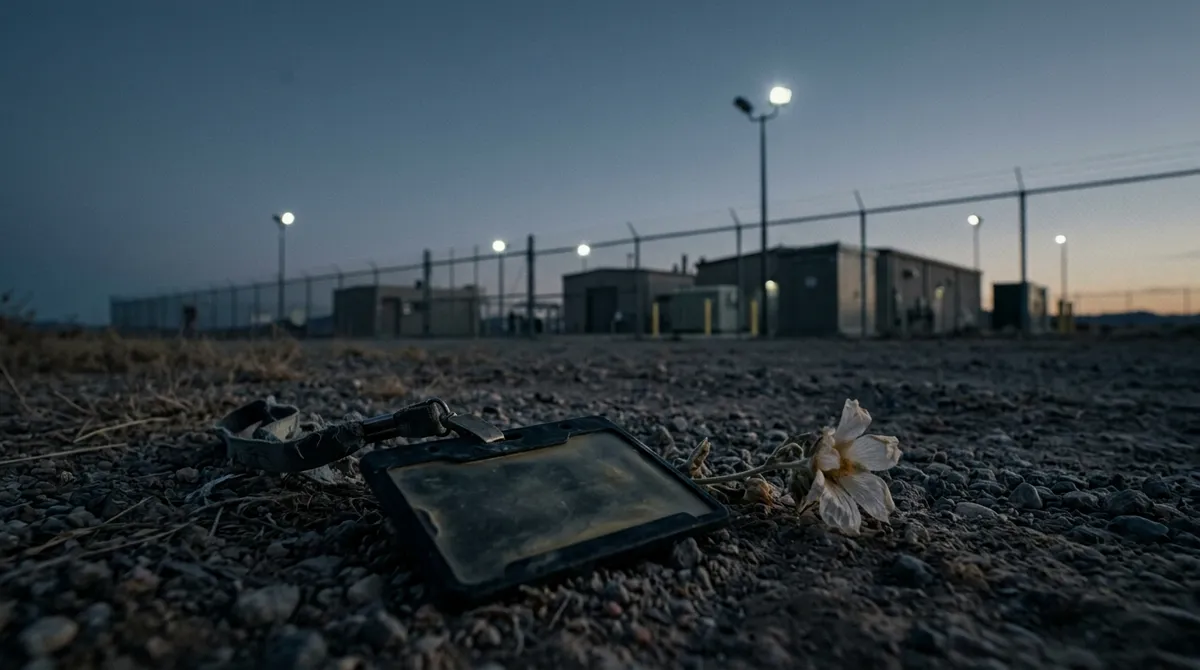
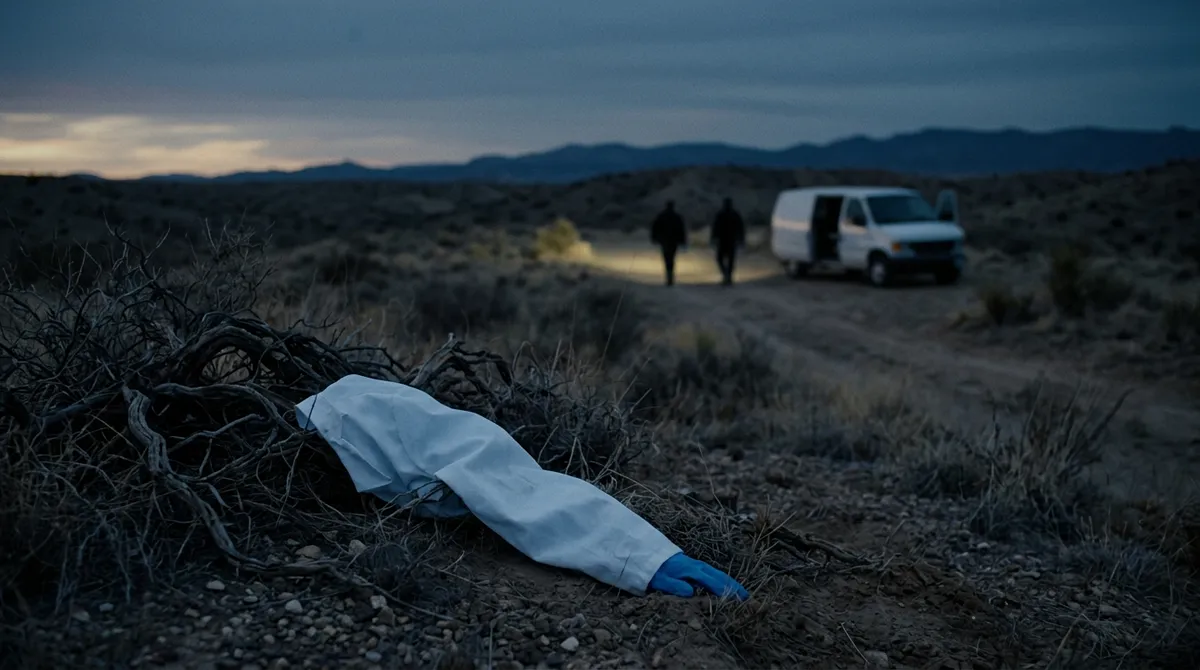
The body of a Los Alamos National Laboratory worker has been discovered, according to reports, bringing closure to a missing-person case that captivated public attention for over a year. The case, which began when the woman vanished from the secretive New Mexico research facility, has finally reached its tragic conclusion.
The discovery marks the end of an extensive search that stretched across an entire year, raising questions about the timeline and effectiveness of the investigation. According to reports, the extended duration of the search has prompted scrutiny about why it took so long to locate her remains.
Questions About Security and Safety Protocols
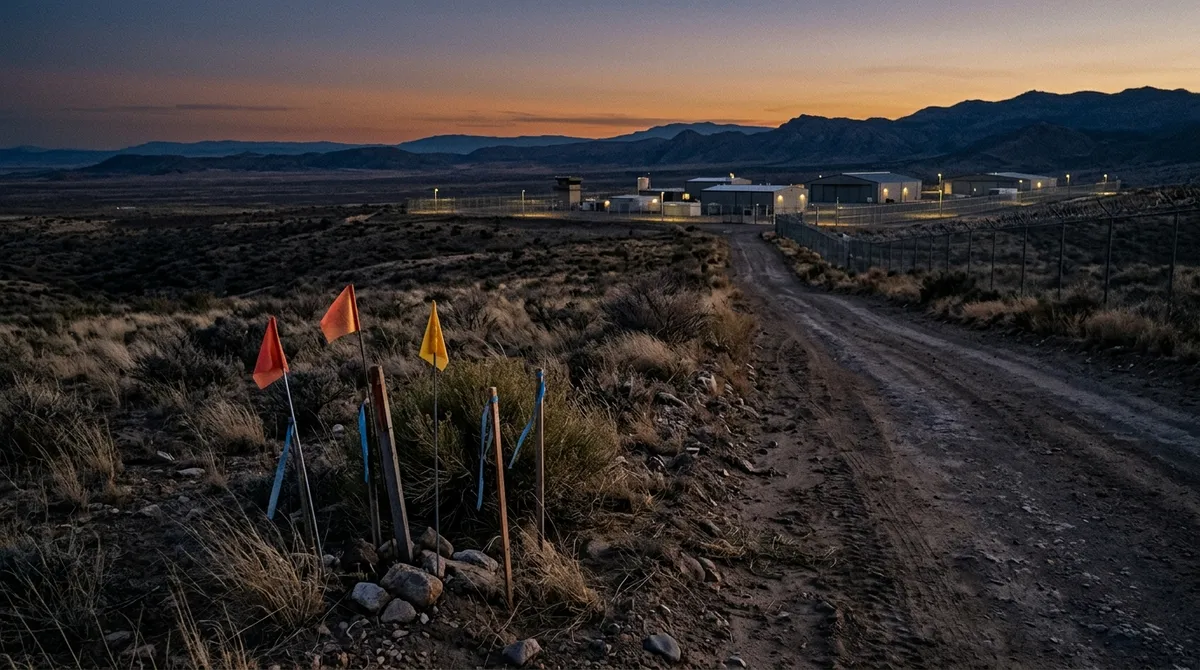
The disappearance and subsequent discovery have cast a spotlight on workplace safety measures at Los Alamos National Laboratory, one of America's most secretive research institutions. The case has reportedly revealed concerns about protocols and oversight at major U.S. research facilities, where security measures are typically stringent due to the sensitive nature of the work conducted.
According to reports, the incident has highlighted how cases occurring within high-security environments face unique challenges, particularly when information is tightly controlled by institutional policies. The secretive nature of the facility may have influenced both the investigation process and public access to information about the case.
Media Coverage and Institutional Secrecy
The case has reportedly demonstrated how missing-person investigations at secretive institutions receive different treatment compared to other disappearances. According to reports, the controlled information environment at facilities like Los Alamos can create disparities in media coverage and public awareness of such cases.
This difference in treatment raises broader questions about transparency and accountability when incidents occur at high-security government facilities. The intersection of national security concerns and public safety investigations creates a complex dynamic that can affect how cases are handled and reported.
Impact on Families and Communities
According to reports, the year-long search took an emotional toll on the victim's loved ones, who endured months of uncertainty while waiting for answers. The extended timeline of the investigation likely compounded the family's grief and highlighted the human cost of disappearances that occur within institutional settings where information flow is restricted.
The case underscores the challenges families face when their loved ones go missing from high-security workplaces, where standard investigative procedures may be complicated by security protocols and institutional policies.
Calls for Institutional Accountability
The resolution of this case comes at a time when major U.S. research institutions are facing ongoing scrutiny regarding their security and safety protocols. According to reports, questions have been raised about what changes, if any, Los Alamos National Laboratory might implement in response to this incident.
The case has reportedly prompted discussions about institutional accountability and the need for research facilities to balance security requirements with employee safety and transparent communication during crisis situations.
Broader Implications for Research Facilities
This incident has highlighted the unique challenges that arise when missing-person cases occur at secretive government facilities. According to reports, the case reveals how workplace safety concerns at national labs intersect with security protocols and public accountability measures.
The discovery brings to light questions about oversight mechanisms at research institutions and whether current protocols adequately address both security needs and employee welfare. The extended timeline of this case may serve as a catalyst for reviewing procedures at similar facilities across the country.
As this tragic case concludes, it serves as a reminder of the complex dynamics at play when personal safety incidents occur within the nation's most secure research environments, and the ongoing need to balance institutional security with transparency and accountability.