
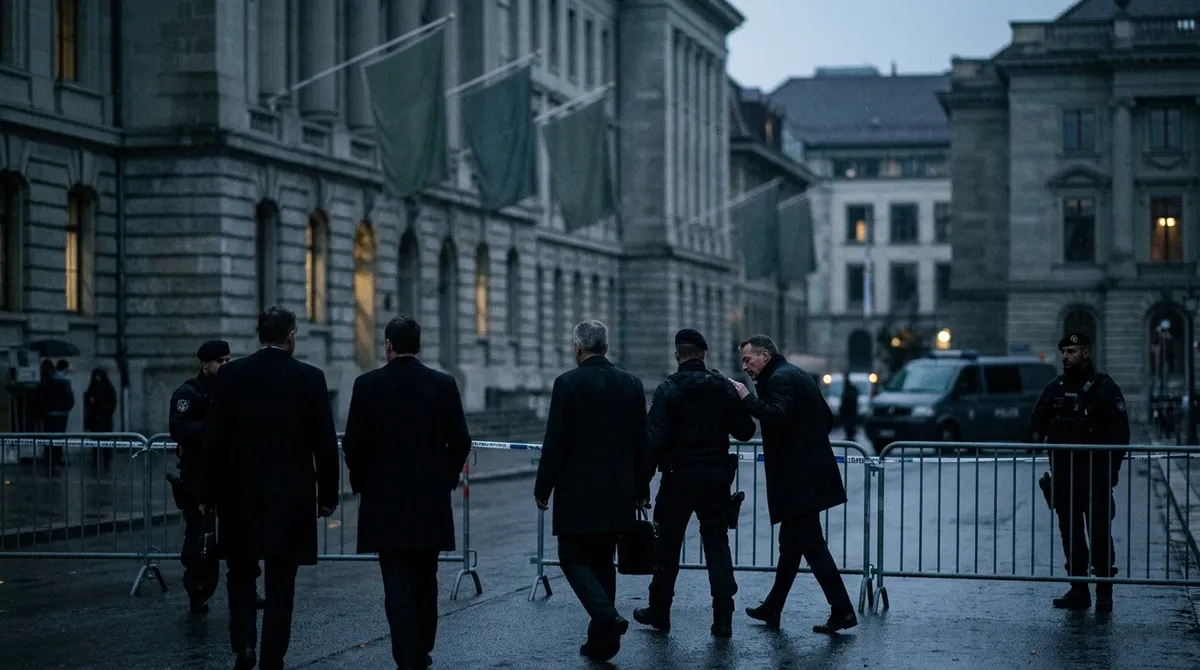
Recent geopolitical developments have brought significant changes to the global landscape, with major implications for international relations and economic strategies. As countries navigate this shifting terrain, the roles of key players in global politics have evolved, leading to new alliances and rivalries.
Emerging Geopolitical Alignments
In recent months, we have witnessed the formation of strategic partnerships that are reshaping global power dynamics. Countries are increasingly seeking alliances that bolster their economic and military capabilities. This trend is evident as nations align themselves with regional powers to enhance their influence and security.
For instance, certain nations are forging closer ties with superpowers to leverage economic benefits and strengthen defense mechanisms. These partnerships are often characterized by bilateral agreements focusing on trade, technology transfer, and joint military exercises, highlighting the mutual interests that drive these relationships.
The Role of Economic Interests
Economic considerations remain at the forefront of these geopolitical shifts. Nations are prioritizing trade agreements that promise economic growth and sustainability. The emphasis on economic resilience is prompting countries to diversify their trade partners, reduce dependencies, and invest in domestic industries.
This strategic diversification is not only a response to the unpredictability of global markets but also an effort to mitigate risks associated with over-reliance on a single economic partner. As a result, we are seeing a rise in regional trade agreements and economic collaborations aimed at fostering stable and sustainable growth.
Technological Advancements and Defense
Technology plays a crucial role in the modern geopolitical landscape, influencing both civilian and military domains. Nations are investing heavily in technological advancements to maintain a competitive edge in various fields, including cybersecurity, artificial intelligence, and space exploration.
In the defense sector, technological superiority is becoming increasingly essential. Countries are developing cutting-edge military technologies to safeguard their national interests and assert their dominance on the global stage. This focus on innovation is driving collaborations in research and development, with nations pooling resources to accelerate technological progress.
Impact on Global Stability
While these geopolitical shifts present opportunities for growth and collaboration, they also pose challenges to global stability. The realignment of alliances can lead to tensions, particularly in regions where historical conflicts and rivalries persist. As nations pursue their strategic objectives, the potential for misunderstandings and conflicts increases.
Efforts to manage these tensions are crucial, with diplomacy playing a vital role in maintaining peace and stability. International organizations and forums provide platforms for dialogue and conflict resolution, helping to mitigate the risks associated with geopolitical competition.
Future Prospects
Looking ahead, the evolving geopolitical landscape will continue to present both challenges and opportunities. The ability of nations to navigate this complex environment will depend on their adaptability, strategic foresight, and commitment to international cooperation. As countries redefine their roles on the global stage, the pursuit of shared goals and mutual understanding will be key to fostering a more stable and prosperous world.
In conclusion, the current geopolitical environment is marked by significant realignments and strategic partnerships. These developments underscore the importance of economic resilience, technological innovation, and diplomatic engagement in shaping the future of international relations.