
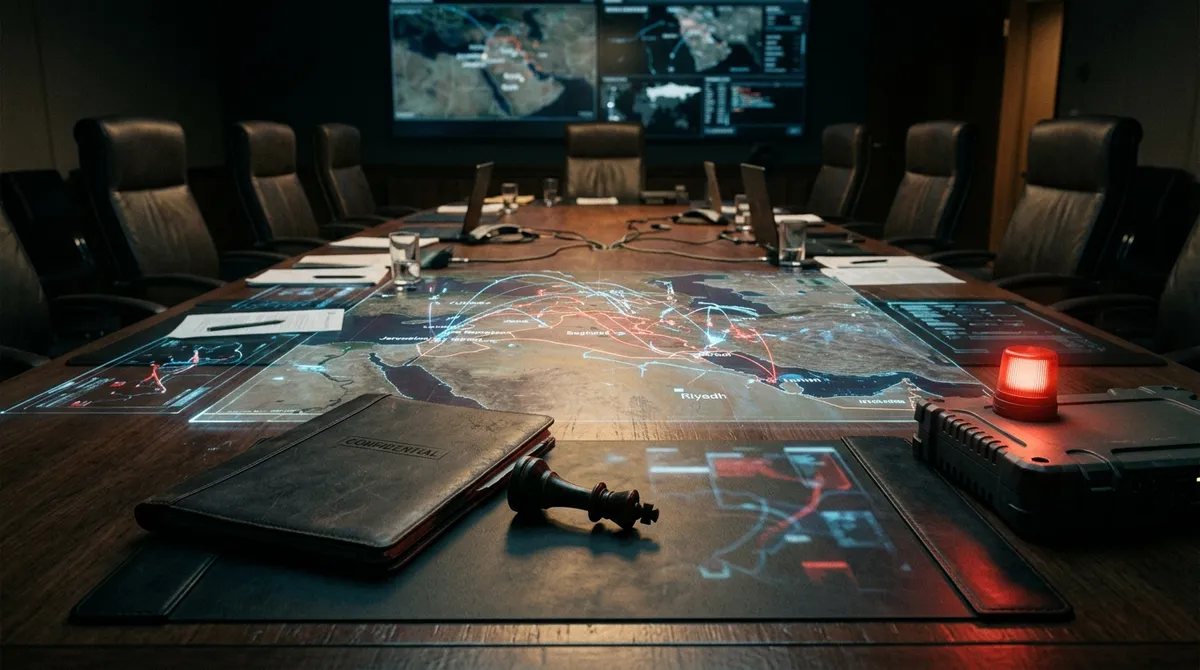
In recent years, the rapid advances in artificial intelligence have sparked intense discussions across various sectors. One of the most notable areas of debate is the integration of AI into military operations. As nations vie for technological supremacy, the implications of AI's role in defense strategies are both profound and far-reaching.
The Growing Influence of AI in Military Operations
Artificial intelligence is transforming how militaries operate globally. From autonomous drones to sophisticated surveillance systems, AI-driven technologies offer unprecedented capabilities. These innovations promise enhanced efficiency, precision, and decision-making speed, which are vital in modern warfare where timing can be crucial.
However, the integration of AI in military contexts raises ethical concerns. Critics argue that the potential for autonomous weapons to make life-and-death decisions without human intervention could lead to catastrophic consequences. This has prompted calls for international regulations to govern the use of AI in warfare.
Global Race for AI Supremacy
Countries like the United States, China, and Russia are investing heavily in AI research and development for military applications. This race for technological dominance is reminiscent of past arms races, with AI being viewed as a critical component of national security. The competition is driving rapid advancements in AI capabilities, but it also heightens the risk of an AI arms race, which could destabilize global security.
Moreover, smaller nations are also stepping up efforts to develop or acquire AI technologies, ensuring they are not left behind. This global push not only underscores the strategic importance of AI but also highlights the urgent need for international collaboration to manage its deployment responsibly.
Ethical and Legal Challenges
The use of AI in military operations poses significant ethical dilemmas. One major concern is accountability. In scenarios where AI systems make autonomous decisions, determining responsibility for actions becomes complex. This issue is particularly pressing in the context of lethal autonomous weapons systems (LAWS), which can select and engage targets without human oversight.
Legal frameworks are struggling to keep pace with technological developments. Existing international laws, such as the Geneva Conventions, may not adequately address the unique challenges posed by AI in warfare. As a result, there is a growing call for new treaties and conventions to establish clear guidelines and accountability measures for AI use in military settings.
The Path Forward: Collaboration and Regulation
The future of AI in military operations will largely depend on how nations navigate the balance between innovation and regulation. While AI holds the potential to revolutionize defense strategies, unchecked advancement could lead to unintended consequences. International cooperation is crucial in establishing norms and standards that ensure AI technologies are used responsibly.
Organizations like the United Nations are already initiating discussions on the ethical use of AI in defense. Collaborative efforts among countries and tech developers can help mitigate risks and foster trust. By prioritizing transparency and accountability, the global community can harness AI's potential while safeguarding against its dangers.
Conclusion: Navigating the AI Frontier
Artificial intelligence is set to play an increasingly pivotal role in military operations, reshaping the landscape of global security. As nations push the boundaries of AI technology, the stakes are high. Ensuring that AI advancements contribute to peace and stability rather than conflict will require concerted efforts from governments, tech companies, and international bodies. By fostering a collaborative approach, the world can leverage AI's benefits while mitigating its risks, paving the way for a safer and more secure future.