
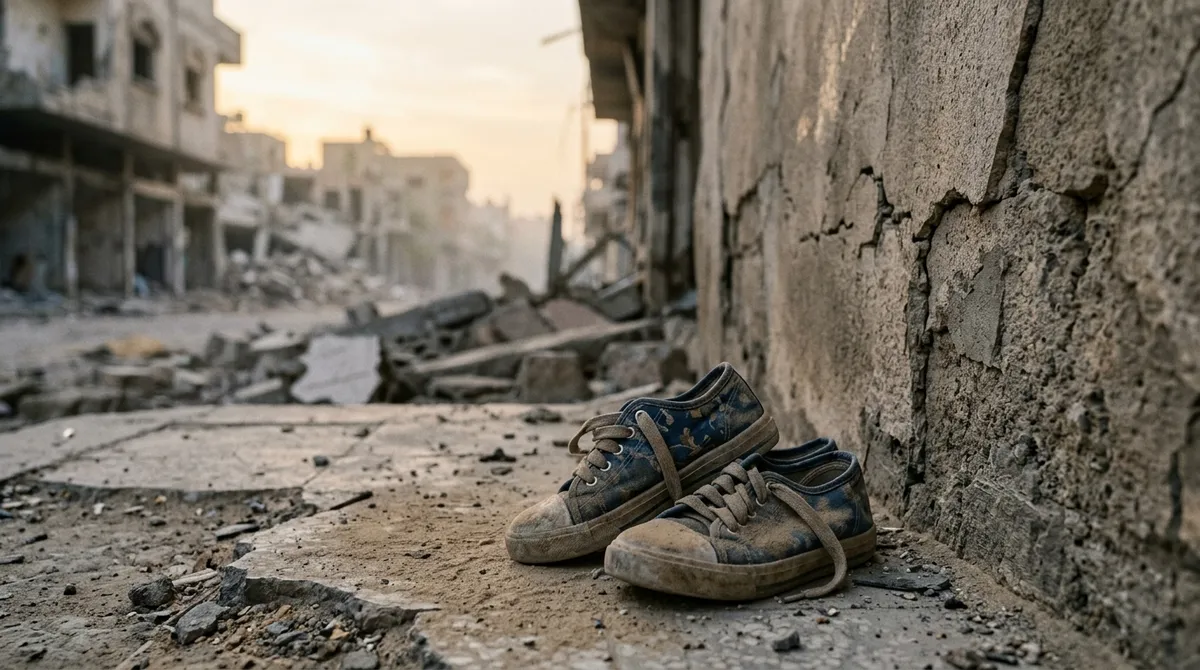
The ongoing conflict in Ukraine has captured global attention, sparking intense debates about international alliances and military strategies. As the situation evolves, various factors contribute to the growing complexity of the conflict, including geopolitical interests, military aid, and strategic maneuvers by involved nations. This article explores the current dynamics of the Ukraine conflict, focusing on key aspects such as military aid, geopolitical interests, and potential future developments.
Military Aid and Support
One of the critical elements influencing the conflict is the significant military aid provided to Ukraine by Western nations. This support includes advanced weaponry, training, and intelligence sharing. The aid aims to bolster Ukraine’s defense capabilities against its adversary. Western countries, led by the United States and European allies, have committed substantial resources to ensure Ukraine can maintain its sovereignty and territorial integrity.
However, the influx of military aid has also raised concerns about escalating tensions. Critics argue that increased weapon supplies could prolong the conflict or lead to unintended consequences, such as further destabilization of the region. Despite these concerns, proponents believe that strong support for Ukraine is necessary to deter aggression and uphold international law.
Geopolitical Interests at Play
The Ukraine conflict is not just about territorial disputes; it is a focal point for broader geopolitical interests. For Western nations, supporting Ukraine is a means of countering what they perceive as expansionist policies by its adversary. This stance aligns with their broader strategy to promote stability and democracy in Eastern Europe.
Conversely, the opposing side views the conflict as a buffer against Western influence encroaching on its borders. This perspective underscores the complex interplay of national interests and historical grievances that fuel the conflict. Understanding these geopolitical motivations is crucial for evaluating potential resolutions and predicting future developments.
The Role of Diplomacy
Diplomatic efforts remain a critical component in addressing the conflict. Multiple rounds of negotiations have taken place, aiming to find a peaceful resolution. International organizations and third-party nations have been involved in mediating talks, emphasizing the importance of dialogue over military confrontation.
Despite these efforts, achieving a lasting peace agreement has proven challenging. Differences in strategic objectives, territorial claims, and security concerns continue to hinder progress. Nevertheless, diplomacy remains a hopeful avenue for de-escalating tensions and fostering long-term stability in the region.
Potential Future Developments
Looking ahead, several scenarios could unfold in the Ukraine conflict. Continued military engagements could lead to further entrenchment and a protracted stalemate. Alternatively, renewed diplomatic initiatives might pave the way for a negotiated settlement, although this requires significant concessions from all parties involved.
The international community’s role will be pivotal in shaping the conflict’s trajectory. Increased diplomatic pressure, economic sanctions, and humanitarian aid are tools that could influence the parties’ willingness to compromise. Additionally, changes in political leadership or shifts in public opinion might alter the current dynamics, opening new avenues for conflict resolution.
Ultimately, the Ukraine conflict underscores the complexities of modern geopolitical struggles. As nations balance their strategic interests with the pursuit of peace, the world’s attention remains focused on Ukraine and its future.
#ukraineconflict #militaryaid #geopolitics #diplomacy #internationalrelations