
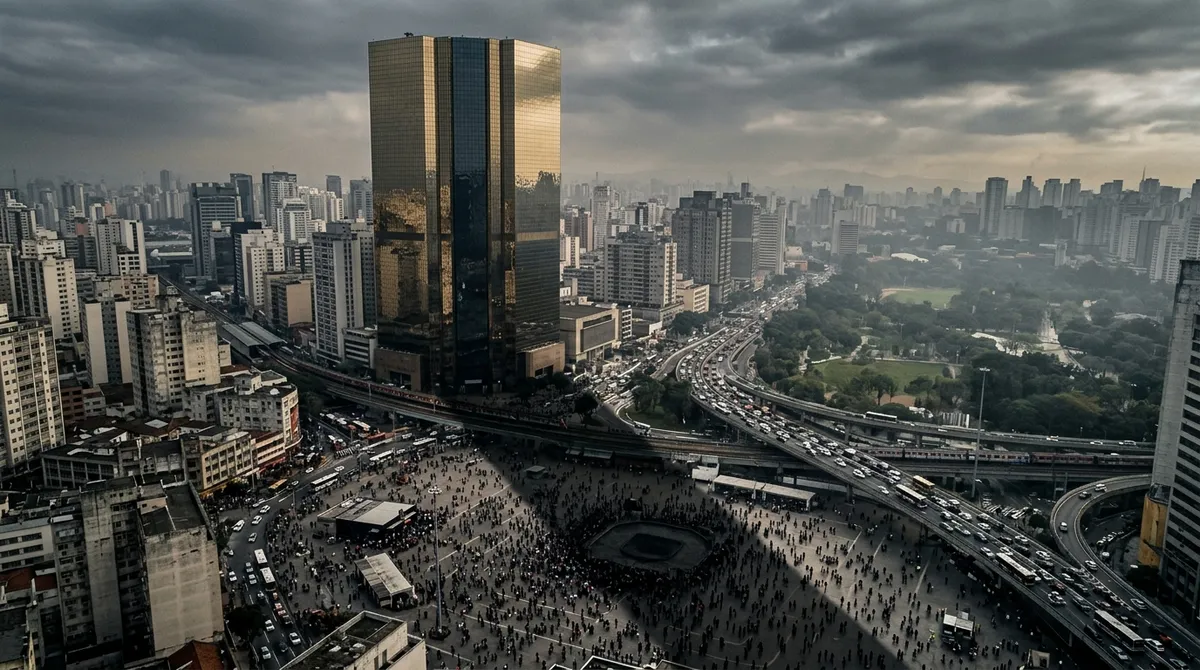
The topic of global population growth and its implications on resources and society has been a subject of intense debate. As the world population continues to rise, questions about sustainability, economic challenges, and social dynamics become increasingly pressing. Understanding these aspects is crucial for shaping policies and strategies that can ensure a balanced future.
Understanding Population Growth
Population growth refers to the increase in the number of individuals in a given area. This growth can be attributed to several factors, including higher birth rates, lower mortality rates, and immigration. In recent decades, advances in healthcare and technology have significantly reduced mortality rates, contributing to an unprecedented rise in global population.
The United Nations projects that the global population could reach approximately 9.7 billion by 2050. Such growth poses unique challenges and opportunities for nations worldwide. Developing countries, in particular, face significant hurdles in managing their rapidly increasing populations, which can strain resources and infrastructure.
Impact on Resources and Environment
One of the most critical concerns of population growth is its impact on natural resources. As more people inhabit the Earth, the demand for resources such as water, food, and energy intensifies. This increased demand can lead to the depletion of these resources, resulting in environmental degradation and potential conflicts over resource allocation.
Furthermore, the environmental impact extends to issues like deforestation, loss of biodiversity, and increased carbon emissions. These factors contribute to climate change, which poses additional challenges for sustainable development. Balancing population growth with environmental preservation is essential for maintaining ecological stability.
Economic and Social Implications
Population growth also significantly impacts economic structures and social systems. A larger population can drive economic growth by providing a broader labor force and increasing consumer demand. However, if growth is not well-managed, it can lead to high unemployment rates, poverty, and social inequality.
Education and healthcare systems are particularly affected, as they must expand rapidly to accommodate the growing number of individuals. Inadequate investment in these sectors can hinder economic development and exacerbate social disparities. Ensuring access to quality education and healthcare is vital for fostering a productive and equitable society.
Strategies for Sustainable Growth
Addressing the challenges of population growth requires comprehensive strategies that promote sustainable development. Family planning programs and education initiatives can help manage birth rates and empower individuals to make informed decisions about family size.
Moreover, investing in renewable energy sources and sustainable agriculture practices can mitigate the environmental impact of a growing population. Policymakers must also prioritize infrastructure development to support urbanization and improve living conditions in densely populated areas.
International cooperation is essential for addressing the global nature of population growth. Collaborative efforts can lead to the sharing of resources, technology, and knowledge, fostering resilience and adaptability in the face of demographic changes.
Looking Towards the Future
While population growth presents significant challenges, it also offers opportunities for innovation and development. By embracing sustainable practices and fostering international collaboration, societies can transform these challenges into strengths, ensuring a prosperous future for all.
As we look towards the future, it is crucial to balance economic growth with environmental sustainability, ensuring that the needs of current and future generations are met. With strategic planning and a commitment to global cooperation, the world can navigate the complexities of population growth and build a more equitable and sustainable society.