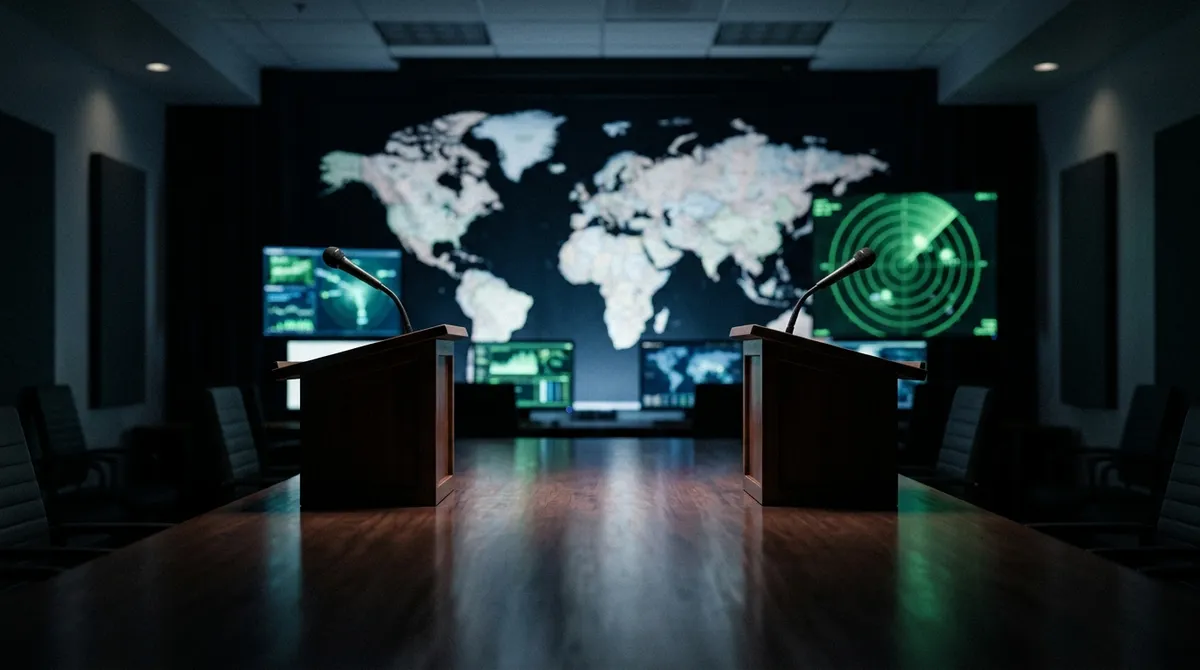

In recent years, the global landscape has witnessed significant shifts in geopolitical dynamics. As nations reposition themselves on the world stage, the balance of power is continuously evolving. This dynamic environment has sparked discussions on strategic alliances, economic policies, and global security.
One of the key issues influencing these changes is the rise of emerging economies. Countries like China and India are becoming major players, challenging traditional powerhouses such as the United States and European nations. This shift is not only economic but also political, as these nations seek a greater role in international decision-making bodies.
The Rise of Emerging Economies
The rapid growth of emerging economies is reshaping the economic landscape. China, with its vast manufacturing capabilities and technological advancements, is at the forefront. It has become a pivotal figure in global trade, influencing markets worldwide. India's burgeoning tech industry and large consumer base also contribute to its increasing influence. These developments raise questions about how established economies will adapt to maintain their competitive edge.
Geopolitical Alliances and Tensions
As countries like China and India gain prominence, geopolitical alliances are being redefined. The Belt and Road Initiative by China is a testament to its strategic ambitions, creating new trade routes and partnerships across Asia, Africa, and Europe. However, this expansion has also led to tensions, particularly with Western nations wary of China's growing influence.
Meanwhile, the United States is reassessing its foreign policies to address these new challenges. The focus is shifting towards strengthening alliances with traditional partners and fostering new collaborations to counterbalance the influence of emerging powers.
Impact on Global Security
The evolving power dynamics have significant implications for global security. With new economic leaders on the rise, there is an increased need for cooperation in addressing global threats such as climate change, cyber security, and terrorism. These challenges require a unified response, making international collaboration more crucial than ever.
In this context, organizations like the United Nations and NATO play a vital role in fostering dialogue and cooperation among nations. However, their effectiveness depends on the willingness of member states to work collectively, putting aside national interests for the greater good.
Economic Policies and Trade Agreements
As emerging economies become more influential, trade agreements and economic policies are undergoing significant changes. The focus is shifting towards creating fair and equitable trade practices that benefit all parties involved. This includes addressing issues such as intellectual property rights, market access, and sustainable development.
Recent negotiations on trade agreements highlight the complexity of these discussions. Countries are striving to protect their domestic industries while promoting globalization and international cooperation. The outcome of these negotiations will have a lasting impact on the global economy.
Conclusion: Navigating the Future
The world is at a crossroads, with emerging economies playing a critical role in shaping the future. As the balance of power shifts, countries must navigate these changes carefully, fostering cooperation while managing competition. The path forward requires strategic thinking, innovative solutions, and a commitment to global collaboration.
Ultimately, the ability to adapt to this evolving landscape will determine the success of nations in the coming decades. By embracing change and working together, the global community can build a more prosperous and secure future for all.