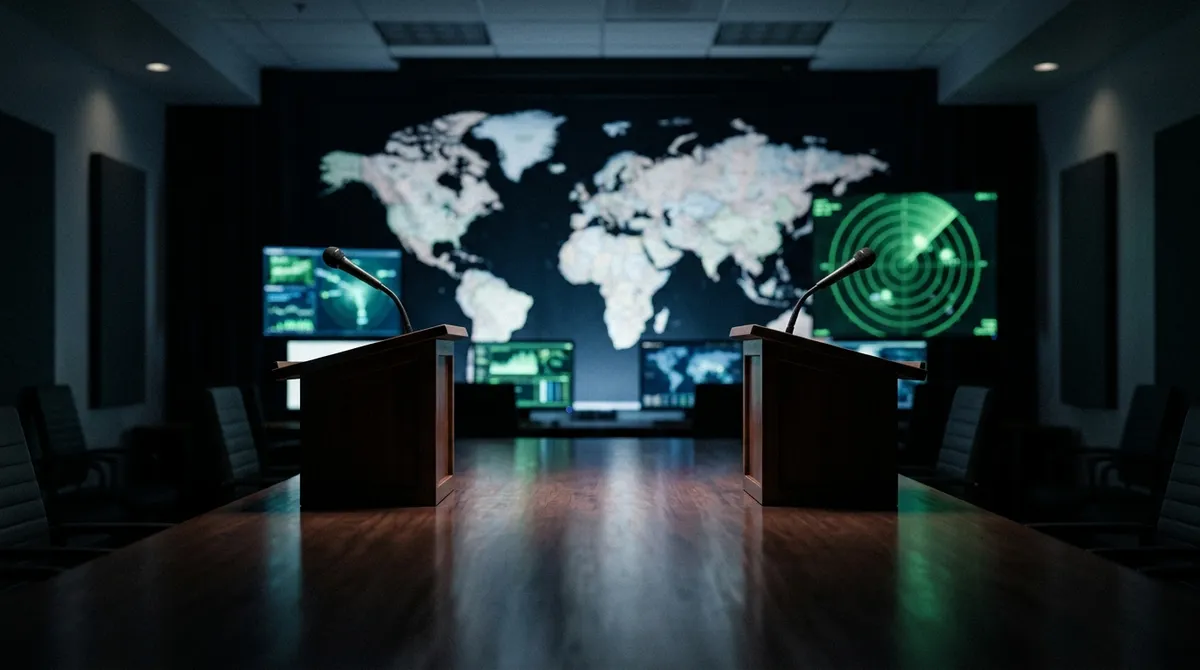

The world of geopolitics and technology is fraught with complex developments that can significantly impact global dynamics. Recent events have highlighted crucial changes, particularly in the realms of international relations and technological advancements. Understanding these shifts is essential for comprehending the broader implications they hold for the global community.
One area of focus is the evolving landscape of international trade and diplomacy. As countries navigate the challenges of economic interdependence, new alliances and conflicts are emerging. The interplay between economic policy and diplomatic relations plays a critical role in shaping the future of global trade. Countries are increasingly leveraging technology to enhance their strategic positions, leading to both cooperation and contention among nations.
The Role of Technology in International Relations
Technology is at the forefront of shaping modern international relations. Nations are investing heavily in digital infrastructure and cybersecurity to safeguard their interests. This technological race is not just about economic advantage but also about securing national security. Nations that can harness technology effectively are poised to influence global policies and exert greater control over international norms.
Advancements in artificial intelligence and machine learning are transforming how countries approach defense strategies and surveillance. These technologies offer unprecedented capabilities in data analysis, enabling more informed decision-making processes. As countries strive to outpace each other in technological innovation, the balance of power may shift, leading to new alliances and rivalries.
Economic Implications of Technological Advancements
The economic impact of technological progress is significant, affecting various sectors from manufacturing to services. Automation and AI are reshaping industries, leading to increased efficiency and productivity. However, these changes also pose challenges, such as job displacement and the need for workforce reskilling. Countries that can adapt to these changes and integrate technology into their economies will likely see substantial economic growth.
Moreover, technology-driven globalization has opened new markets and opportunities for international trade. Digital platforms allow businesses to reach global audiences, fostering cross-border commerce. This interconnectedness offers economic advantages but also requires robust regulatory frameworks to ensure fair competition and protect consumer rights.
Geopolitical Tensions and Strategic Alliances
As technological capabilities expand, geopolitical tensions are intensifying. Nations are forming strategic alliances to bolster their positions in the global arena. These alliances often revolve around shared technological goals and mutual security interests. However, such partnerships can also lead to regional conflicts as countries vie for influence and resources.
In response to these tensions, nations are increasingly engaging in diplomatic dialogues and negotiations. The emphasis on multilateral cooperation highlights the importance of diplomacy in resolving conflicts and fostering stability. By building consensus on critical issues, countries can work towards sustainable solutions that benefit the global community.
The Future of Global Cooperation
The future of global cooperation hinges on the ability of nations to navigate the complexities of technological and geopolitical landscapes. Collaborative efforts in technology development and regulation are essential for addressing global challenges such as climate change, cybersecurity, and public health. By prioritizing innovation and partnership, countries can create a more secure and prosperous world.
International organizations and forums play a pivotal role in facilitating dialogue and cooperation. These platforms provide opportunities for countries to share knowledge, align strategies, and build consensus on pressing issues. Through collective action, nations can harness the potential of technology to drive positive change and enhance global well-being.
The intersection of technology and geopolitics presents both opportunities and challenges for the international community. By embracing technological advancements and fostering strategic alliances, nations can navigate the complexities of the modern world and work towards a more cooperative and secure future.